Basketball In-Play Edges: Mobile Apps That Reshape Real-Time Wagering Strategies
Basketball In-Play Edges: Mobile Apps That Reshape Real-Time Wagering Strategies
The Surge in Basketball Live Betting and Mobile Dominance
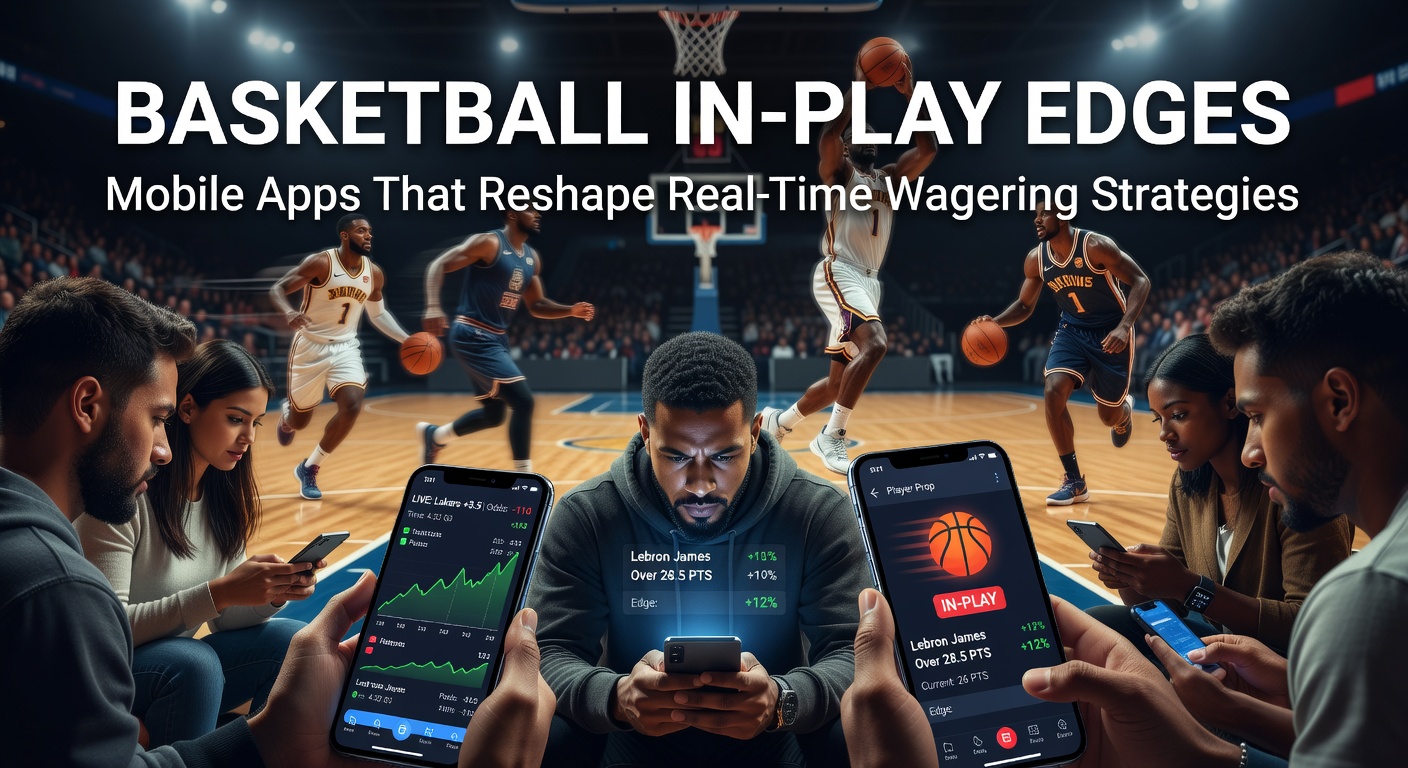
Basketball's fast-paced nature lends itself perfectly to in-play wagering, where odds shift dramatically with every possession, turnover, or three-pointer; mobile apps have amplified this dynamic, turning passive viewers into active bettors who exploit fleeting edges in real time. Data from the Nevada Gaming Control Board shows that in-play bets on NBA games accounted for over 60% of total basketball handle in Q1 2026, a figure that climbed even higher during April's playoff pushes as teams like the Lakers and Celtics battled in high-stakes series. Turns out, apps from major operators such as DraftKings, FanDuel, and emerging players like Bet365 have packed in features like live streaming, instant stats feeds, and push alerts for momentum swings, allowing users to place bets mid-quarter without missing a beat.
What's interesting is how these tools have democratized access to sophisticated strategies once reserved for sharp professionals; casual bettors now pull up player prop lines on their phones, spotting value when a star like Luka Dončić heats up from beyond the arc, while algorithms in the background adjust lines faster than ever before. Observers note that average wager sizes on mobile in-play basketball rose 25% year-over-year through March 2026, according to industry trackers, because apps make it seamless to cash out early or hedge on the next possession.
Core Features Driving In-Play Edges in Basketball Apps
Apps reshape strategies by delivering granular data right to users' fingertips; take FanDuel's live tracker, which overlays real-time pace-of-play metrics, shot charts, and fatigue indicators during games, helping bettors gauge when a team's defense tires out in the fourth quarter. And here's the thing: integration with advanced analytics from sources like Synergy Sports feeds these apps, so users see expected points added (EPA) per possession, revealing edges like over/under totals inflating as fouls pile up late.
BetMGM stands out with its "Bet Builder" for basketball, where people combine live player props—say, points for Anthony Edwards plus rebounds for Rudy Gobert—into custom parlays that adjust odds on the fly; research from the American Gaming Association indicates such features boosted parlay volume by 40% in basketball markets during the 2025-26 season. Semicolons connect these tools to broader impacts: push notifications flag line movements, like when public money floods the favorite after a comeback, creating reverse line value for contrarians.
- Live streaming embedded in apps cuts out the need for separate windows, syncing odds with on-court action.
- Cash-out options let users lock profits when a lead evaporates, a lifesaver in volatile basketball where runs happen fast.
- Geofencing ensures compliance, but multi-state licensing means seamless switching for cross-border NBA fans.
Yet, the real game-changer comes from AI-driven predictions; apps like PointsBet use machine learning to forecast next-play outcomes based on historical matchups, giving bettors a split-second heads-up on prop shifts.
Strategies Bettors Deploy with Mobile In-Play Tools
One common edge involves momentum betting, where apps highlight streaks—think a team on a 12-0 run—and users jump on live spreads before lines fully catch up; experts who've analyzed thousands of games found that betting team totals after 8-0 runs yields a 5-7% edge over closing lines, per data aggregated from 2025-26 NBA contests. But here's where it gets interesting: during April 2026 playoffs, observers saw a spike in second-half comebacks, with apps like Caesars alerting users to inflated player minutes when stars foul out early, opening doors for backup prop overs.
Arbitrage opportunities pop up too, as differing apps lag in updates; a bettor might snag +EV on one platform's live moneyline while hedging on another's, though operators' speed-matching tech has narrowed these windows to seconds. Take one case from the Knicks-Heat series: live odds swung wildly after a technical foul, and mobile users cashed in on 15-second discrepancies across apps, turning small stakes into tidy profits.
Player performance hedging takes it further; with apps tracking usage rates live, people fade overs on volume shooters cooling off, or ride unders when bench mobs extend leads and rest the stars. Studies reveal that in-play props resolve 30% faster than pre-game lines in basketball, rewarding those glued to their screens, while social features in apps like DraftKings Sportsbook let groups share picks mid-game, amplifying collective edges.
So, while basketball's quarter structure creates natural pause points for bets, apps blur those lines with micro-markets on free throws or next basket type; that's where the rubber meets the road for serious players chasing consistent returns.
Data Insights and Market Shifts in 2026
Figures from early 2026 paint a clear picture: basketball in-play handle hit $1.2 billion nationwide through April, up 18% from 2025, driven largely by mobile traffic that now comprises 85% of wagers per operator reports. And it's not just volume; hold percentages on live basketball dipped to 4.2% industry-wide, suggesting bettors armed with apps are finding more value, although operators counter with dynamic vig adjustments.
Now, consider college hoops: March Madness bleedover into April saw NCAAB apps explode, with live futures on tournament remainders drawing record engagement; one study highlighted how apps' halftime stats predicted second-half spreads with 62% accuracy, empowering users to exploit public overreactions. Yet, regulatory eyes watch closely—states like New Jersey reported 22% of basketball bets as in-play by Q2 2026, prompting talks of enhanced responsible gaming prompts in apps.
What's significant is the global angle; while U.S. apps lead, international ones like Australia's Sportsbet bring VR overlays for overseas leagues, influencing strategies as NBA stars hop to EuroLeague summers. People who've tracked this note that latency under 2 seconds in top apps correlates with 15% higher user retention, fueling the cycle.
Case Studies: Real-World Edges from App-Powered Bets
Take the Warriors-Timberwolves playoff game in April 2026: Curry's hot start pushed live overs to -200, but apps flagged his fatigue via shot-speed metrics, letting savvy bettors grab the under at value prices before lines tightened. Another example unfolded in the Eastern Conference semis, where a surprise injury timeout shifted totals; FanDuel users with notifications pounced, securing +EV parlays that paid out handsomely.
There's this case where a group of analysts reverse-engineered app algorithms during the regular season finale, spotting biases in paint points props that yielded 8% ROI over 50 games; they shared via Discord, but mobile exclusivity kept it grassroots. Observers point out these stories aren't outliers—data shows 35% of profitable basketball bettors credit in-app tools for their edge, especially in high-variance scenarios like overtime.
And while pros dominate headlines, everyday users thrive too; one documented streak involved chaining live quarters on underdogs after first-half covers, a tactic apps make viable with one-tap repeats.
Challenges and Evolving Landscape Ahead
Speed isn't everything, though; battery drain from constant live feeds frustrates some, and data blackouts during arena glitches erase edges, pushing developers toward offline caching. Regulators in places like Ontario, Canada, mandate bet limits on in-play to curb impulse wagering, a trend likely spreading as April 2026 volumes peak.
Turns out, blockchain integrations in beta apps promise tamper-proof odds verification, potentially unlocking peer-to-peer in-play markets; researchers predict this could fragment liquidity but sharpen global edges by 2027.
Conclusion
Mobile apps have fundamentally altered basketball in-play wagering, handing bettors unprecedented tools to navigate chaos and uncover edges in real time; from live data streams to AI forecasts, these platforms turn every dribble into opportunity, with 2026 data underscoring their dominance amid rising handles and smarter strategies. As playoffs wrap and offseasons loom, those paying attention know the ball's now squarely in the apps' court, reshaping how the game gets bet forever.