Decoding Algorithmic Tweaks in Accumulator Builder Tools That Alter Payout Structures for Rugby Union Markets

Accumulator builder tools have become central components in sports betting platforms that handle rugby union markets, where users combine multiple selections into single wagers with multiplied payouts, and algorithmic adjustments often modify those multipliers based on real-time data inputs such as team form, player availability, and historical match outcomes.
These systems process large datasets to recalibrate odds across legs of an accumulator, which means a tweak in one parameter can shift the entire payout structure without altering individual bet prices in isolation; observers note that such changes frequently occur during major tournaments when betting volumes spike and risk models require updates to maintain margin consistency.
Core Mechanics of Accumulator Builders in Rugby Contexts
Rugby union presents unique variables for these tools because matches involve elements like scrums, lineouts, and territorial play that translate into specialized markets including try scorers, penalty outcomes, and total points thresholds; algorithms integrate these factors by weighting data points differently depending on competition level, whether domestic leagues or international fixtures.
Data from June 2026 shows increased usage of builder tools during the mid-year test window, where platforms adjusted multipliers for accumulators involving southern hemisphere teams versus northern sides, and this pattern reflects how inputs like travel fatigue metrics and weather archives feed into payout calculations that affect multi-leg returns.
Types of Algorithmic Adjustments and Their Effects
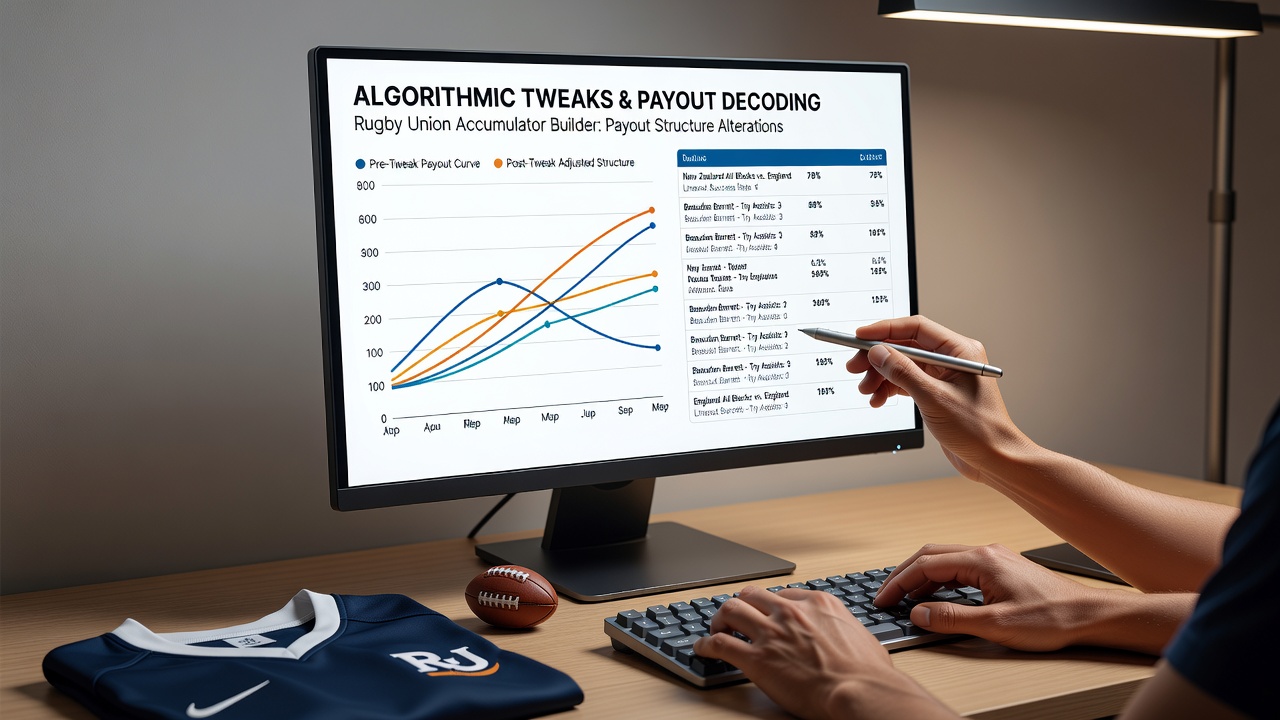
One common tweak involves dynamic scaling of correlation penalties, where the system reduces payout potential if selections share similar risk profiles such as multiple props from the same forward pack or overlapping time-based markets; this approach prevents overexposure while keeping the tool functional for users who select diverse legs across different matches.
Another adjustment targets volatility thresholds, with algorithms raising or lowering multipliers when live data indicates shifts in expected scoring rates, for instance during periods of high possession dominance that historically correlate with lower try volumes in certain venues.
Regional Data Patterns and Platform Responses
Figures from the Australian Communications and Media Authority indicate that rugby-related betting activity in Australasia rose notably in early 2026, prompting several platforms to refine their builder algorithms for Super Rugby Pacific markets; these updates incorporated additional variables like injury report timing and referee assignment data that influence payout scaling for accumulators focused on set-piece statistics.
Similar refinements appeared in European operations where Six Nations carryover effects lingered into summer fixtures, and algorithms there began applying tighter correlation filters when users attempted to stack selections from the same weekend slate of matches.
Technical Implementation Across Platforms
Developers achieve these tweaks through modular code updates that target specific payout formulas rather than full system overhauls, allowing quick responses to emerging trends such as increased accuracy in kicking statistics or changes in card issuance rates; testing protocols typically involve simulated accumulator volumes to verify that adjusted structures maintain expected house edges across thousands of combinations.
Those who monitor these systems report that version logs often reveal incremental changes every few weeks, particularly ahead of high-profile events where historical payout data gets reweighted to account for evolving playing styles observed in recent seasons.
Market Implications for Rugby Union Bettors
Accumulator users encounter these alterations as variations in final returns even when individual odds remain static, which means a previously viable four-leg builder might yield lower multiples after an algorithm refresh focused on defensive metrics; platforms communicate some of these shifts through updated terms sections while others embed them silently within the builder interface itself.
Research from the Australian Gambling Research Centre highlights how such technical modifications align with broader patterns in sports wagering, where data-driven recalibrations help operators balance liquidity across niche markets like rugby union that attract dedicated but smaller user bases compared to football or basketball.
Conclusion
Algorithmic tweaks in accumulator builder tools continue to shape payout structures for rugby union markets through ongoing refinements that respond to performance data, competition schedules, and regional betting volumes, and the patterns observed through mid-2026 demonstrate how these systems maintain operational balance while processing complex multi-leg wagers.