How Biometric Feedback Loops in Wearable Tech Sync with Live Odds Feeds to Adjust International Punter Strategies
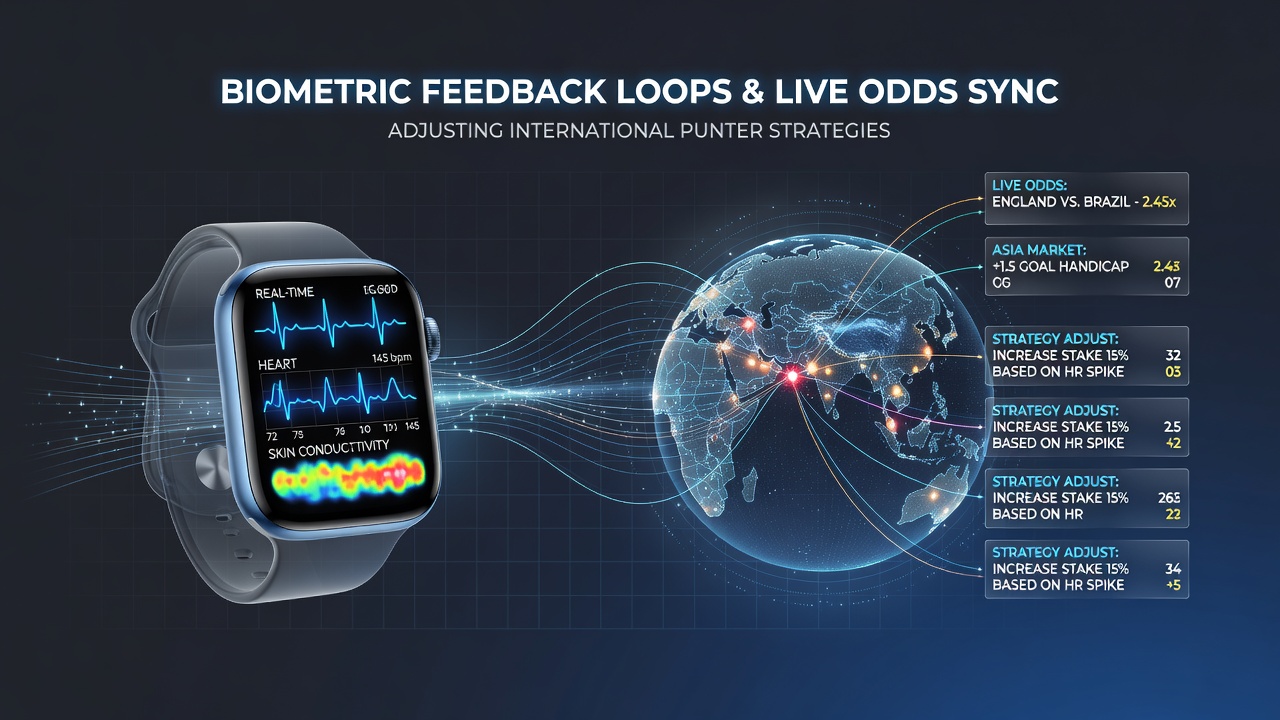
Biometric feedback loops in wearable technology connect physiological data streams directly to live odds platforms, creating automated adjustments that international punters apply across multiple markets. Devices track heart rate variability, skin conductance, and movement patterns while algorithms cross-reference those signals against real-time betting feeds from global sportsbooks. This integration allows systems to flag when elevated stress indicators coincide with shifting odds, prompting users to modify stake sizes or switch bet types before the next market update lands.
Core Mechanisms Driving the Synchronization
Wearables transmit continuous data packets through secure APIs to betting applications, where machine learning models compare biometric baselines against current odds fluctuations in events spanning European football leagues to Asian basketball competitions. When a user's pulse rate spikes during a high-volatility period in the odds feed, the loop triggers a recommendation layer that suggests reduced exposure or a pivot toward lower-risk propositions in parallel markets. Observers note that these loops operate on sub-second latencies, enabling punters in different time zones to respond uniformly even as events unfold overnight in distant regions.
Research from academic institutions shows that skin conductance readings often correlate with hesitation patterns in live wagering, allowing the system to pause or reroute automated bet placements when arousal levels exceed preset thresholds. Data from early 2026 deployments indicates that platforms handling international traffic incorporated these features to maintain consistency across regulatory environments in North America, Europe, and the Asia-Pacific region. The synchronization relies on standardized data formats that pull live odds from multiple exchanges simultaneously, layering biometric overlays without disrupting the primary feed.
Strategic Adjustments Observed Among Global Users
International punters utilize the synced systems to recalibrate approaches during extended sessions, particularly when biometric alerts signal fatigue or over-excitement that could influence decision speed. For instance, one documented case involved Australian users monitoring rugby league matches who received automated prompts to shift from accumulator bets to single selections after their wearable data indicated sustained elevated heart rates during a tight odds movement. Similar patterns emerged among European participants in tennis circuits, where the feedback loop encouraged diversification into in-play markets with steadier probability curves once stress markers rose.
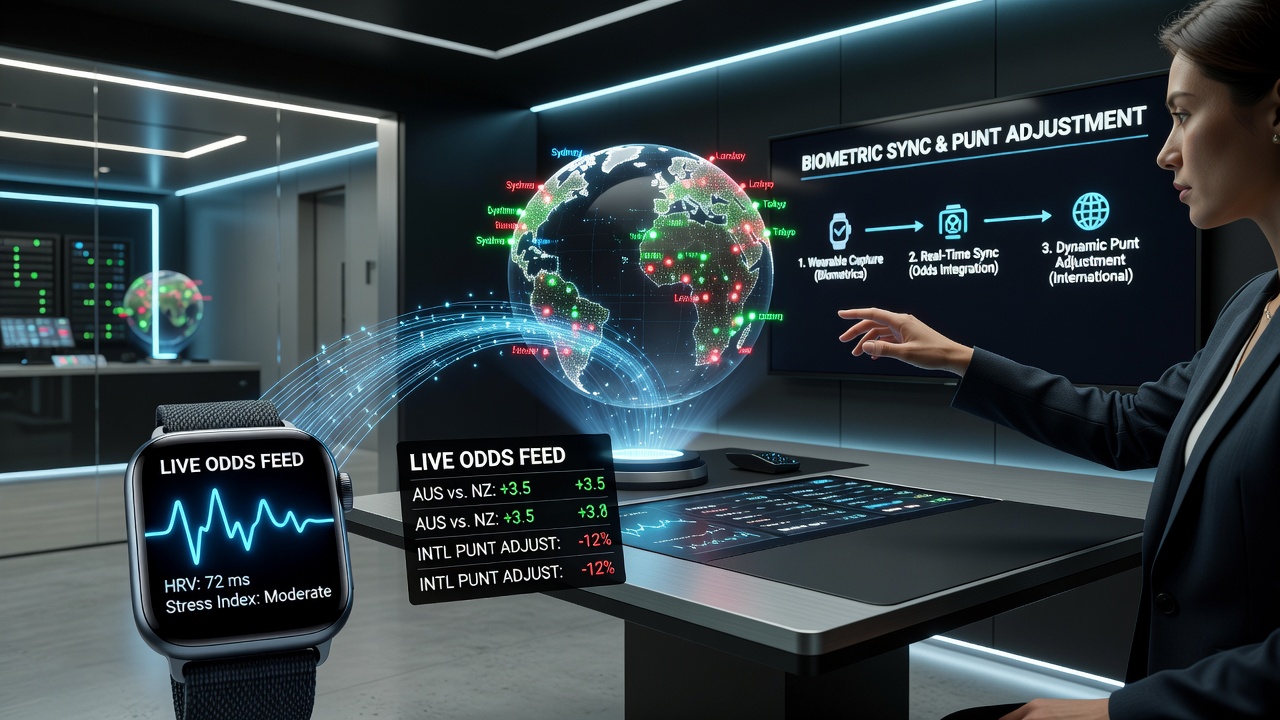
Figures from industry reports reveal that adoption rates climbed notably by June 2026 in jurisdictions permitting such integrations, with users reporting more measured session durations as the loops enforced periodic cool-downs tied to physiological recovery. In Canada, regulatory frameworks overseen by bodies like the Alcohol and Gaming Commission of Ontario have examined these tools for compliance with responsible gaming standards, noting their potential to align with broader player protection measures. The adjustments extend beyond individual bets to portfolio-level decisions, where aggregated biometric trends across a user's network of accounts influence hedging strategies in correlated international fixtures.
Regional Variations in Implementation
European markets emphasize data privacy protocols that segment biometric streams from direct odds access, whereas Asia-Pacific platforms often integrate the loops more tightly with loyalty programs that reward consistent adherence to system-generated adjustments. North American operators, drawing on frameworks from organizations such as the National Council on Problem Gambling, have tested hybrid models that combine biometric alerts with voluntary spending limits. These differences create distinct user experiences, yet the underlying synchronization technology remains consistent enough for punters traveling between regions to maintain familiar interfaces through cloud-based profiles.
Studies conducted by university research teams highlight how the loops adapt to cultural betting preferences, such as higher volumes of parlay activity in certain Latin American markets where biometric thresholds trigger earlier diversification recommendations. As of mid-2026, the technology continues to evolve with improved sensor accuracy from newer wearable generations, allowing finer calibration that distinguishes between event-induced excitement and genuine decision fatigue.
Conclusion
The synchronization of biometric feedback loops with live odds feeds represents a measurable shift in how international punters manage real-time strategy across borders. Data indicates that these systems process physiological inputs alongside market movements to support more consistent adjustments, with regional implementations reflecting local regulatory priorities while sharing core technical foundations. Continued development through 2026 suggests further refinements in latency and personalization that could expand their application across additional sports and wagering formats.