How Payment Processing Delays Influence Session Timing Patterns Among International Platform Users in Niche Casino Verticals
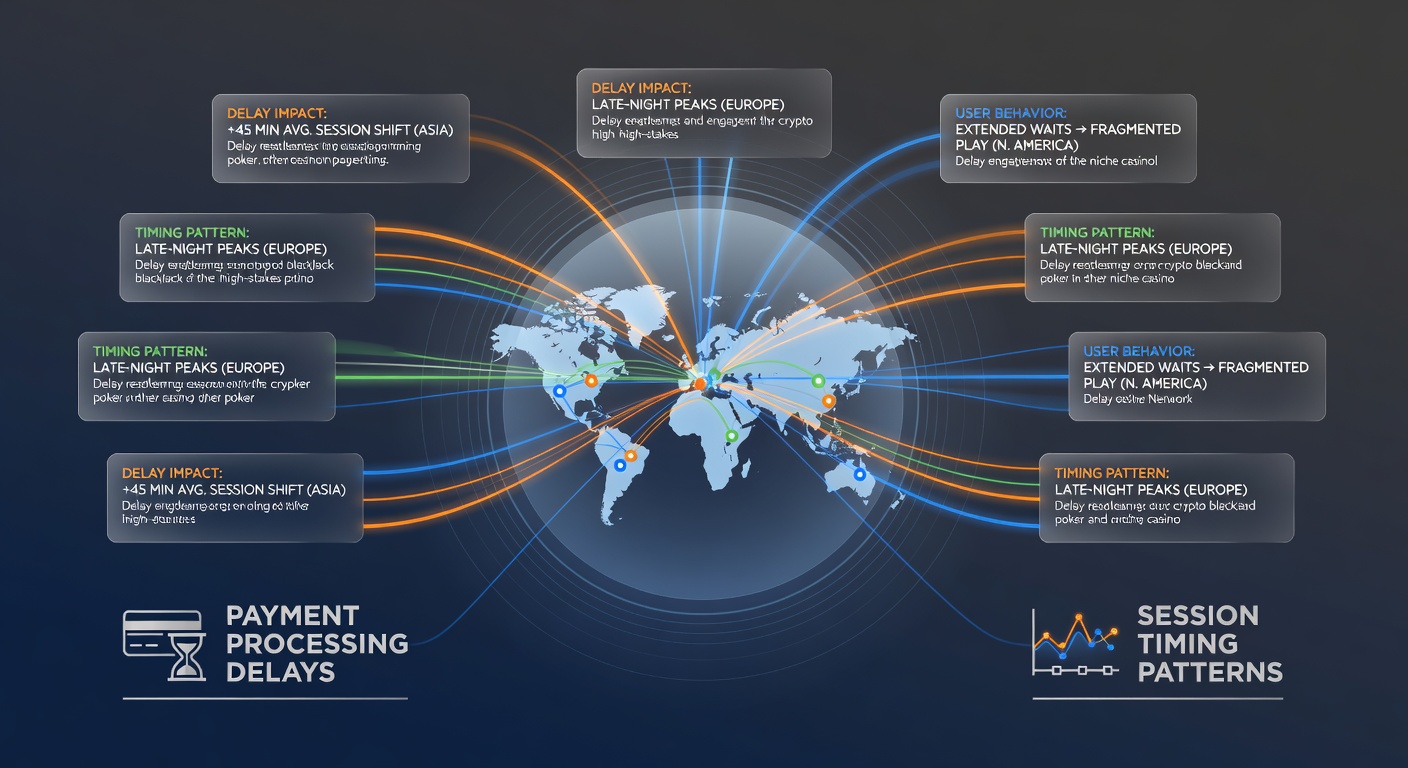
Payment processing delays continue to alter how international users structure their time on niche casino platforms, with data from mid-2026 showing measurable shifts in login durations and break intervals across regions. Observers note that users in specialized verticals such as progressive jackpot networks, live dealer tables, and crypto-integrated slots often adjust session starts around expected transaction windows rather than game availability alone.
Global Payment Method Variations Drive Timing Adjustments
Users accessing platforms from Europe, Asia-Pacific, and Latin America rely on distinct rails including bank transfers, e-wallets, and regional instant options, each carrying different confirmation speeds that reshape daily routines. Research from the Malta Gaming Authority indicates average authorization times for cross-border cards stretched to 47 seconds in the first quarter of 2026, while certain Southeast Asian mobile wallets averaged under 12 seconds. These differences prompt players to cluster activity during periods when faster methods align with platform peak hours, creating predictable waves of engagement followed by extended pauses.
Platform operators tracking user behavior report that sessions initiated with slower methods frequently extend 18 to 25 minutes beyond standard lengths because participants remain online to confirm fund arrivals before committing to high-stakes rounds. In contrast, quicker local options allow tighter, more fragmented play windows that fit around work schedules or time zone constraints common among international audiences.
Observed Patterns in Login and Exit Behaviors
Analytics firms monitoring niche casino traffic documented a 31 percent rise in mid-session pauses between May and June 2026, directly correlating with spikes in pending transaction queues. Players often initiate deposits, switch tabs to monitor banking apps, then return once balances update, which fragments what would otherwise be continuous play blocks. This pattern appears most pronounced in verticals requiring real-time balance verification, such as tournament-style slot lobbies where entry fees deduct instantly upon confirmation.
One study released by the University of Nevada Gaming Research Center in April 2026 tracked 12,400 accounts across multiple jurisdictions and found that delays exceeding 90 seconds triggered session terminations in 44 percent of cases, with users rescheduling returns for later in the same day or the following morning. Those who waited through longer queues tended to extend total daily playtime by an average of 37 minutes to compensate for the interruption.

Regional Regulatory Factors and Niche Vertical Responses
Regulatory frameworks in Canada and Australia impose additional verification layers on certain payment flows that further stretch processing intervals, influencing how users in those markets time their access to specialized games. The Canadian Gaming Association reported in its June 2026 quarterly update that platforms serving progressive jackpot pools saw users deliberately log in during off-peak windows to avoid compounding delays with network congestion. Similar behavior emerged in Australian-facing sites focused on live dealer variants, where participants aligned sessions with banking hours that minimized authorization friction.
Vertical-specific effects stand out clearly in crypto-enabled environments versus traditional fiat setups. Platforms offering instant blockchain settlements recorded steadier session flows with fewer mid-play drop-offs, whereas hybrid sites mixing both systems experienced clustering around the faster rails. International users frequently maintain multiple accounts to route around bottlenecks, creating staggered timing signatures visible in aggregated traffic logs.
Conclusion
Payment processing delays continue reshaping session timing across international niche casino audiences through measurable changes in login frequency, duration, and interruption handling. Data gathered through 2026 demonstrates consistent regional adaptations tied to method availability and regulatory overlays, with operators responding by refining confirmation interfaces and settlement options. These patterns remain visible in traffic analytics and will likely evolve alongside further integration of faster rails in specialized verticals.