How Tiered Loyalty Structures in Wagering Apps Influence Long-Term User Retention Patterns
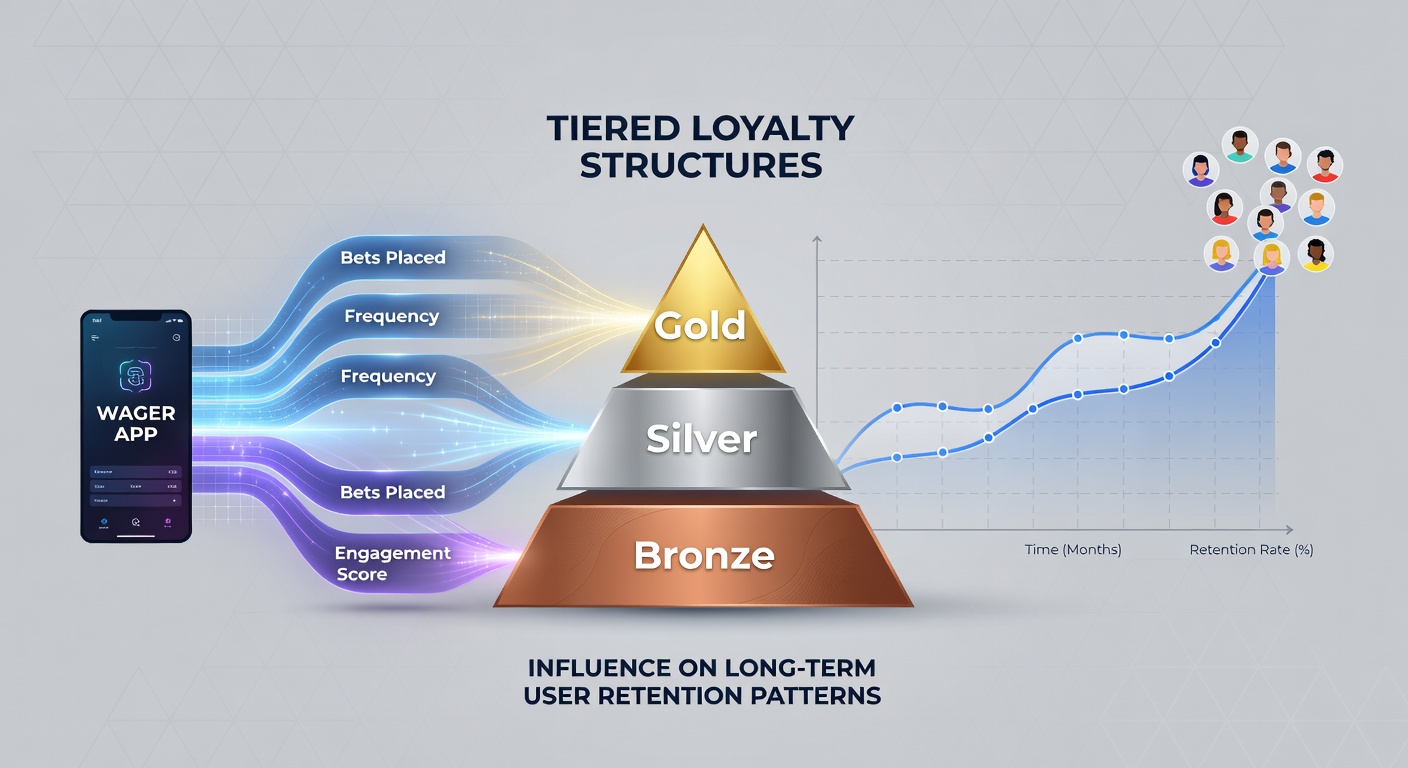
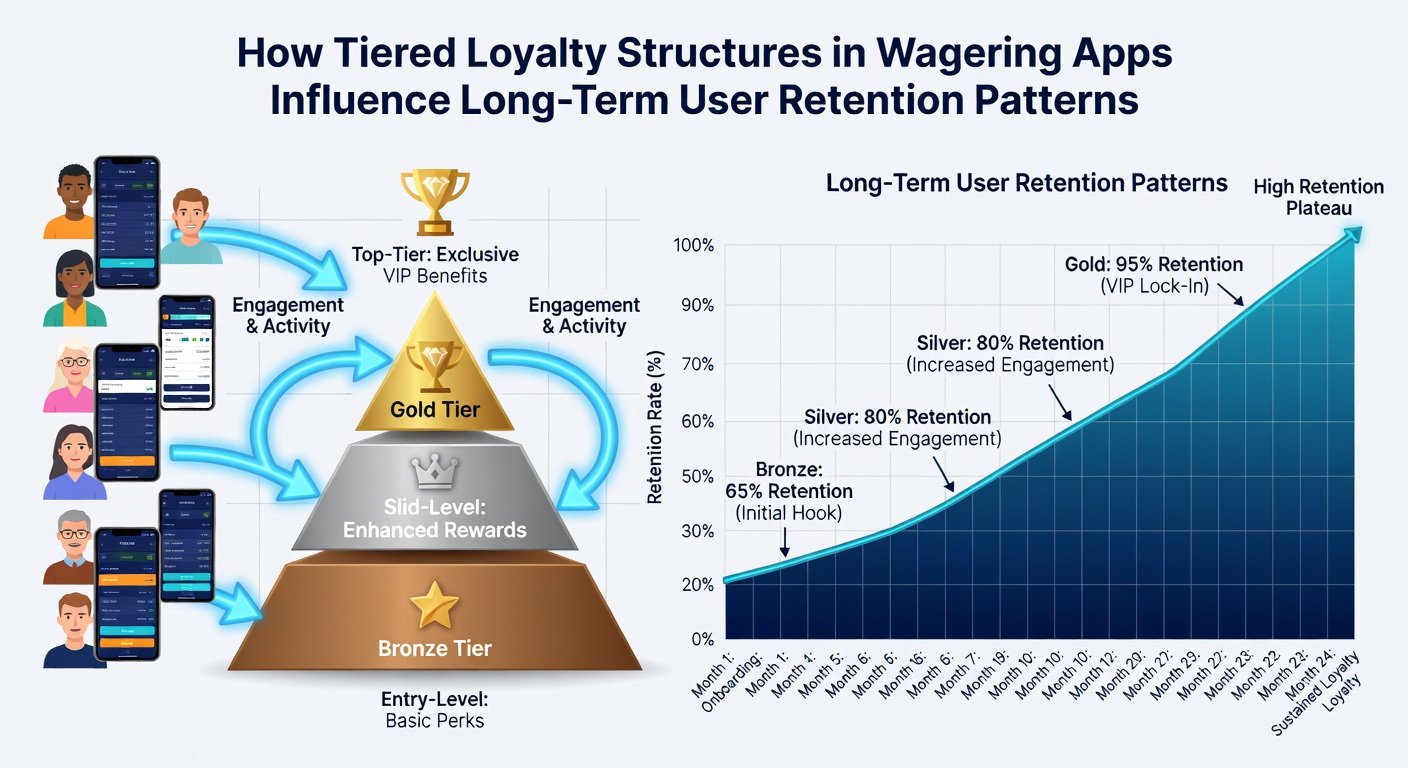
Wagering apps have adopted tiered loyalty structures that assign users to levels based on activity metrics such as bet volume and frequency, and these systems shape retention through progressive rewards that escalate with each tier. Research from industry analysts indicates that users who advance beyond entry-level tiers demonstrate extended account activity spans compared to those who remain static, with data from 2025 showing retention rates climbing as high as 65 percent for mid-tier participants by early 2026.
Points accumulation forms the foundation of these structures where every wager converts into loyalty credits that unlock tier upgrades, and apps like major platforms distribute benefits including cashback percentages, exclusive event access, and personalized odds boosts once thresholds are met. Studies conducted across multiple operators reveal that users reaching silver or equivalent levels within the first three months maintain active sessions 40 percent longer than non-tiered counterparts, while gold-tier members often extend their engagement into multi-year patterns according to aggregated platform metrics released in May 2026.
Mechanics Behind Tier Progression and User Behavior
Operators design tier ladders with clear criteria that include deposit amounts, wager counts, and sometimes diversity across bet types, which encourages consistent participation rather than sporadic logins. Data compiled by research institutions shows that when users hit the first upgrade milestone they receive immediate feedback through notifications and reward unlocks, and this reinforcement loop sustains momentum because subsequent tiers offer compounding advantages like higher withdrawal limits and dedicated account managers. Observers note that platforms incorporating time-bound challenges to accelerate tier movement see accelerated progression rates, particularly during peak sports seasons leading into spring 2026.
Yet the influence extends beyond simple rewards because higher tiers often integrate social elements such as leaderboards and community events that foster a sense of belonging among participants. Figures from regulatory filings in several jurisdictions highlight that users in top tiers exhibit lower churn rates, with some operators reporting annual retention exceeding 80 percent for platinum-level accounts tracked through 2025 into May 2026.
Regional Data and Retention Metrics
Analyses from the Australian Communications and Media Authority indicate that loyalty tiers in local wagering apps correlate with prolonged user lifecycles, where participants who climb two or more levels within six months show average activity durations 2.3 times longer than baseline users. Similar patterns emerge in North American markets where state-level reports document how tiered benefits reduce account dormancy, especially when rewards tie directly to live event engagement during high-profile competitions.
One longitudinal review by academic researchers at a Canadian university tracked over 50,000 app accounts and found that tier advancement predicted sustained deposits with statistical significance, as gold-tier users averaged 18 months of continuous activity versus eight months for entry-level accounts. These findings align with broader industry data released in early 2026 that ties retention gains to the psychological pull of visible progress markers within app dashboards.
Integration with App Features and Long-Term Patterns
Tiered systems frequently link with real-time notifications and personalized offers that adapt based on current tier status, which keeps users returning because the perceived value increases alongside their commitment level. Platform data indicates that when apps bundle loyalty tiers with deposit match bonuses or free bet allocations scaled by rank, the effect compounds and produces measurable drops in attrition during off-peak months. What's notable is how these structures interact with broader ecosystem tools such as in-app analytics that display remaining points needed for the next upgrade, prompting immediate additional wagers to maintain momentum.
Case examples from operators in multiple markets demonstrate that users who receive tier-specific VIP experiences, including early access to new features, maintain higher session frequencies over extended periods. Reports compiled through 2026 show that retention curves flatten positively once users surpass the third tier, suggesting that initial barriers to entry give way to stronger habitual use once exclusivity perks activate.
Challenges in Measuring Sustained Impact
Quantifying exact causation remains complex because external factors like promotional campaigns and market conditions also affect user behavior, yet controlled studies isolate tier benefits as a primary driver in many datasets. Government agencies in several regions have begun requiring operators to report tier-related retention statistics as part of compliance frameworks, and preliminary releases from May 2026 filings reveal consistent correlations between tier depth and account longevity across diverse user demographics.
Observers point out that apps refining their algorithms to predict upgrade likelihood can intervene with targeted incentives that prevent stagnation at lower levels, and this proactive approach further bolsters long-term patterns. Evidence suggests the most effective structures balance accessibility for new users with meaningful differentiation at higher tiers to avoid alienating casual participants.
Conclusion
Tiered loyalty structures continue to evolve as wagering apps refine their approaches based on performance data gathered through 2026, and the patterns observed demonstrate clear links between tier advancement and extended user engagement across varied markets. As operators incorporate more sophisticated tracking and reward personalization, the role of these systems in shaping retention is expected to grow, supported by ongoing regulatory oversight and academic examination from institutions worldwide.