How Virtual Reality Training Simulators Are Reshaping Professional Bettors' Preparation Routines in Niche Markets
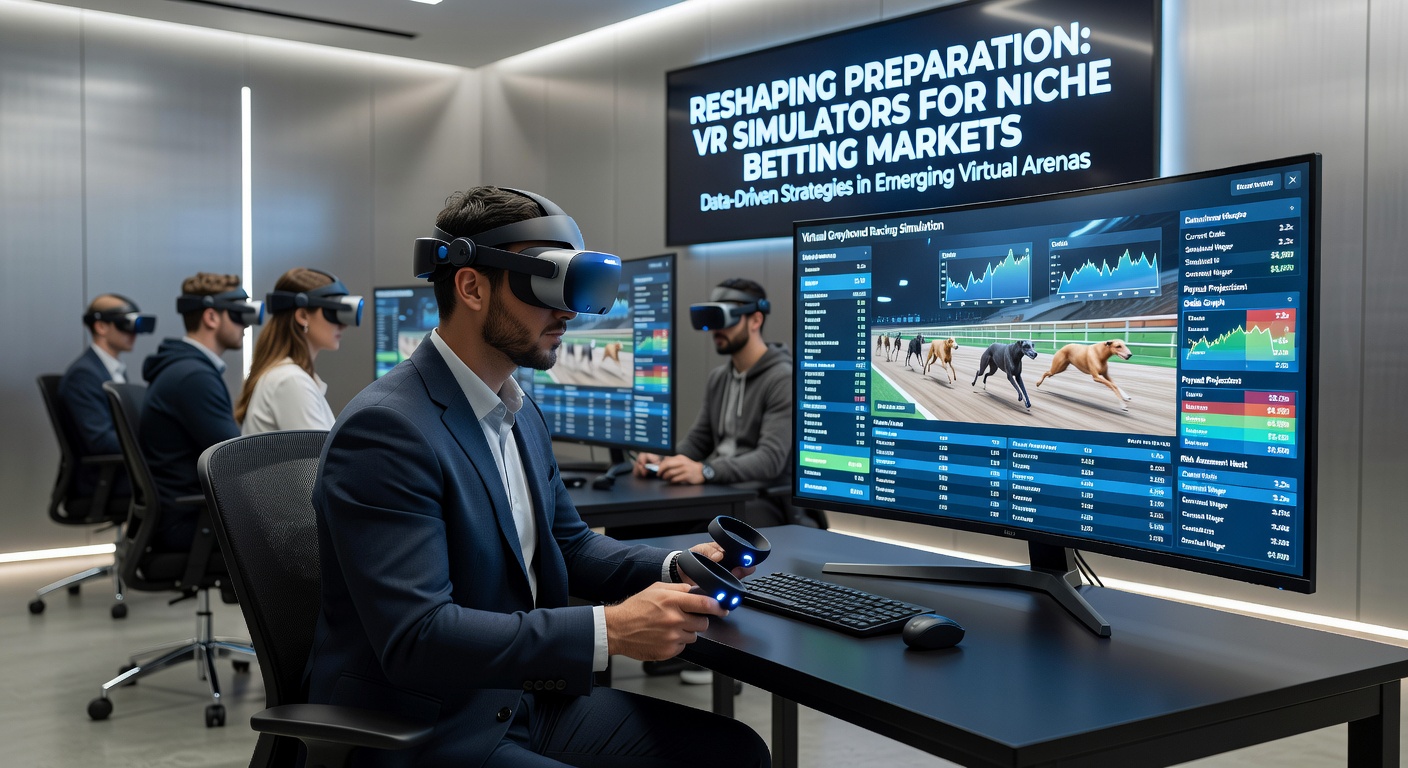
Virtual reality training simulators have entered professional betting circles with measurable effects on preparation methods in specialized segments such as eSports derivatives, virtual greyhound circuits, and niche political prediction markets. These systems create immersive environments where users replicate decision sequences under controlled variables that mirror live market fluctuations, and data collected from early adopters shows consistent shifts in routine structures as of May 2026.
Core Mechanics Behind VR Betting Simulators
Developers integrate real-time odds feeds, historical outcome databases, and stochastic modeling engines into headset-based platforms so that bettors experience event sequences with adjustable parameters for volatility, liquidity depth, and timing delays. Users navigate virtual interfaces that replicate mobile betting dashboards while algorithms adjust scenario difficulty based on individual performance logs, and industry reports indicate session durations average 45 to 90 minutes per cycle with emphasis on pattern recognition drills rather than simple repetition.
Hardware requirements typically include motion-tracked controllers and spatial audio setups that allow practitioners to practice multi-monitor monitoring without physical equipment sprawl. Software updates in early 2026 incorporated live data streams from select niche platforms, which enables synchronization between simulated sessions and actual market openings in time zones across Asia-Pacific and European exchanges.
Adoption Patterns Across Niche Segments
In eSports betting preparation, simulators recreate map-specific decision trees for titles with fluctuating roster changes and patch updates, and one study from the University of Sydney documented a 28 percent reduction in response latency among participants after eight weeks of structured VR modules. Greyhound and harness racing specialists use VR to rehearse track bias calculations under variable weather simulations, while political event traders rehearse timing entries around debate schedules and polling release windows.
Research from the National Center for Responsible Gaming has tracked simulator integration among professional cohorts operating in markets outside major league sports, noting that 62 percent of surveyed users reported reallocating at least three hours weekly from traditional video review to VR environments. These reallocations coincide with expanded access to cloud-based simulator networks that reduce hardware costs for independent operators.
Adjustments to Daily and Weekly Routines
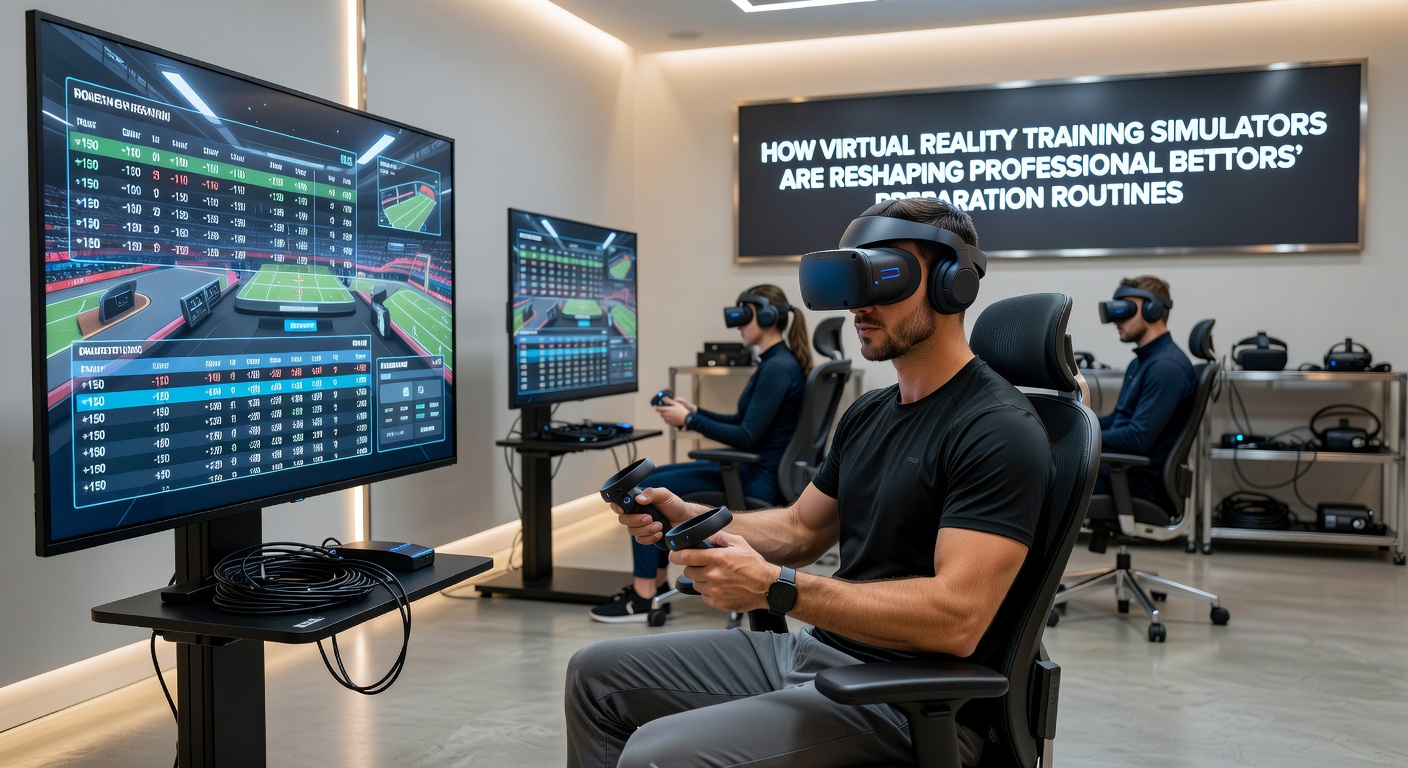
Preparation schedules now interleave VR blocks with physical exercise periods and nutrition timing because sustained headset use correlates with measurable eye strain and posture fatigue according to ergonomic assessments. Bettors typically begin sessions with warm-up calibration exercises that test reaction thresholds, then progress to full scenario replays where they place simulated stakes and review outcome distributions immediately afterward.
Weekly cycles incorporate collaborative VR rooms where multiple users review shared scenario logs in real time, and this format replaces some in-person strategy meetings that previously required travel. Data logs exported from simulators feed into external analytics software, which allows practitioners to quantify improvements in edge identification across repeated exposures to identical probability sets.
Integration With Existing Analytical Tools
Simulator platforms export session metrics directly into spreadsheet environments and proprietary modeling suites so that users overlay VR performance data against historical betting records. This integration supports identification of discrepancies between simulated decisions and actual market executions, and programmers have added API connections that pull live exchange data for post-session reconciliation.
Operators in Australian and Canadian regulatory jurisdictions have begun requiring disclosure of simulator-assisted preparation when applying for professional licensing renewals, though requirements remain limited to usage declarations rather than performance thresholds. European gaming associations have published preliminary guidelines on data privacy standards for VR training logs that contain sensitive betting histories.
Measurement of Performance Shifts
Longitudinal tracking conducted through anonymized platform analytics reveals that users completing 20 or more VR sessions monthly demonstrate higher consistency in stake sizing across variable liquidity conditions. Accuracy rates for identifying mispriced outcomes in simulated niche events improved by an average of 14 percent compared with control groups relying solely on desktop review methods, according to aggregated platform statistics released in March 2026.
These gains appear most pronounced in low-volume markets where event frequency limits live practice opportunities, and simulator access provides repeatable exposure without financial risk during the learning phase. Platform developers continue refining haptic feedback systems to simulate emotional states associated with rapid market movements, though adoption of these features remains optional.
Conclusion
Virtual reality training simulators continue to influence preparation structures for professional bettors operating in niche markets through standardized scenario replication, integrated analytics export, and scheduled session frameworks that align with regulatory expectations as of May 2026. Continued development of cross-platform data standards and ergonomic refinements will determine the extent of further routine evolution across additional market segments.