Inside Digital Wagering Ecosystems: How Interface Designs Guide Bettor Choices in Real Time
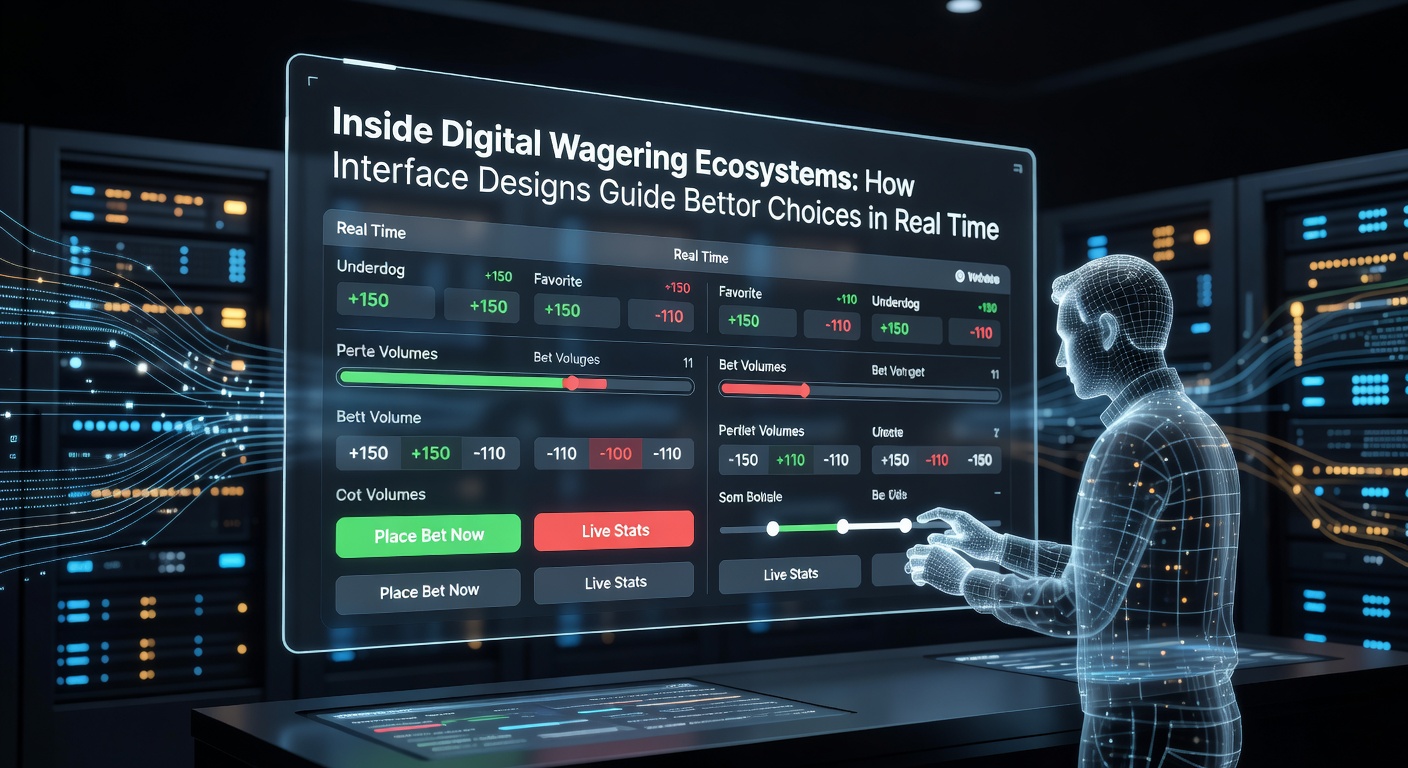
Digital wagering platforms have evolved into complex ecosystems where interface elements shape decisions at every moment, and in May 2026 operators continue to refine these systems based on usage data from millions of active sessions across North America and Europe. Real-time interfaces display shifting odds, suggested stakes, and countdown timers that update continuously, while users navigate between markets without leaving the main screen. Researchers at institutions such as the University of Las Vegas have documented how these visual cues align with cognitive patterns that influence bet placement speed and selection frequency.
Live data feeds sit at the center of most modern apps, and they present odds movements alongside heat maps or probability bars that refresh every few seconds during events. Bettors encounter prominent buttons labeled “Bet Now” or “Quick Stake” positioned near the primary content area, and these placements reduce the number of taps required to complete a wager. Observers note that such designs compress the decision window, allowing choices to occur while momentum from the underlying event remains high.
Real-Time Visual Cues and Decision Timing
Color-coded indicators highlight odds that have moved favorably within the last thirty seconds, and many platforms use green or amber highlights that draw attention without requiring users to scan every figure manually. Scrollable panels keep multiple markets visible simultaneously, yet the default view often emphasizes the most popular selections based on aggregate activity across the platform. Studies from the Canadian Centre for Gaming Research indicate that these layout choices correlate with higher volumes of in-play wagers compared with static pre-match displays.
Countdown clocks appear during brief windows such as injury stoppages or between sets in tennis, and they create a visible deadline that coincides with the next market update. Users who have already added selections to a slip receive additional prompts that restate the current odds and remaining time, and these repeated confirmations occur within the same viewport to minimize navigation friction. Data from operator analytics in early 2026 showed that sessions featuring such timers recorded shorter intervals between selection and confirmation than those without them.
Notification Systems and User Flow
Push and in-app alerts arrive with tailored messages that reference both the event and the user’s prior activity, and they link directly to the relevant betting screen rather than the home menu. During May 2026 several major operators introduced contextual banners that appear only when a market reaches a volatility threshold defined by internal algorithms. These banners display simplified statistics such as recent scoring trends or possession percentages, then transition into a one-tap betting option that carries the user’s default stake amount forward.
Experts tracking interface performance have found that the sequence of these alerts matters, since notifications sent immediately after a goal or point tend to generate more immediate responses than those distributed at fixed intervals. The placement of the notification badge itself follows established mobile design conventions that place it in the upper right corner, a location users have learned to check habitually across other applications.
Personalization Layers and Recommendation Engines
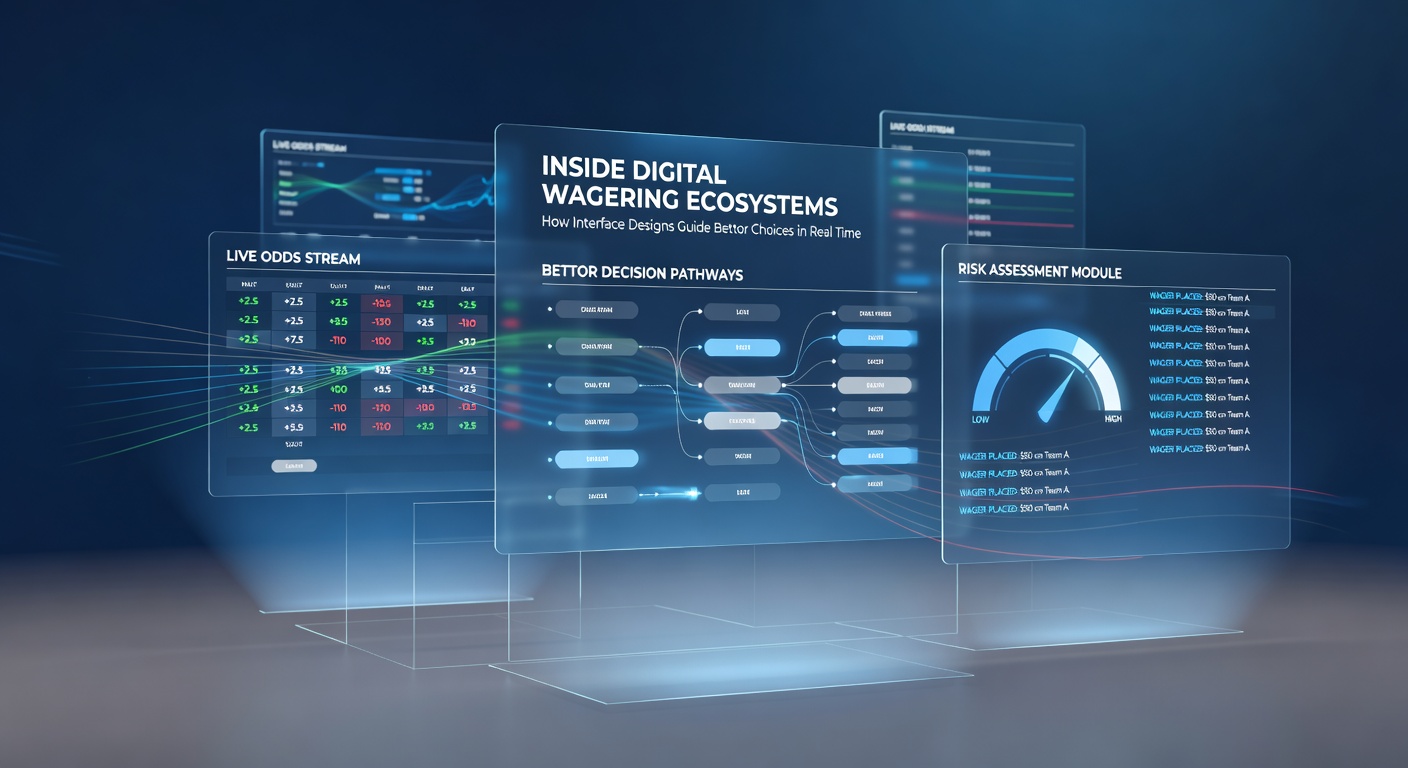
Algorithms analyze previous bet types, preferred sports, and session duration to surface tailored markets at the top of the screen, and these suggestions update as the event progresses. A user who has placed multiple over/under wagers in recent sessions may see those markets prioritized even when the overall popular bets differ. According to reports from iGaming Ontario, platforms that implemented such dynamic ordering recorded measurable shifts in the distribution of wager categories during live play.
Stake suggestion sliders pre-populate with amounts derived from the user’s historical average, and they adjust in real time when the odds move. The interface presents these values as neutral defaults rather than explicit recommendations, yet the convenience reduces the cognitive effort needed to finalize a bet. Observers tracking regulatory filings note that operators must maintain clear records of how these personalization features operate to satisfy oversight requirements in multiple jurisdictions.
Touch Optimization and Accessibility Features
Touch targets for bet placement exceed minimum size guidelines on most leading apps, and swipe gestures allow users to add or remove selections without lifting their thumb from the screen. Haptic feedback accompanies successful additions to the bet slip, providing immediate tactile confirmation that complements the visual update. In May 2026 several platforms introduced optional high-contrast modes that increase visibility of odds changes for users who prefer stronger visual differentiation during extended sessions.
Voice command integration remains limited but continues to expand, and early adopters can now confirm pre-loaded wagers through short spoken phrases after the interface has already populated the slip. These features sit alongside traditional controls, and operators report that they serve a small but consistent segment of users who value hands-free operation during live events.
Conclusion
Interface designs within digital wagering ecosystems function as active participants in the decision process rather than passive containers for information. Real-time elements such as dynamic odds displays, contextual notifications, and personalized recommendations work together to structure the sequence of choices available to bettors. Data collected across regulated markets shows consistent patterns in how layout decisions influence both the speed and category of wagers placed during live events. As platforms incorporate additional sensors and refined algorithms, the relationship between visual architecture and user behavior will likely remain a central focus for both operators and oversight bodies seeking to understand contemporary wagering environments.