Notification Timing Patterns in Betting Applications and User Activity Peaks
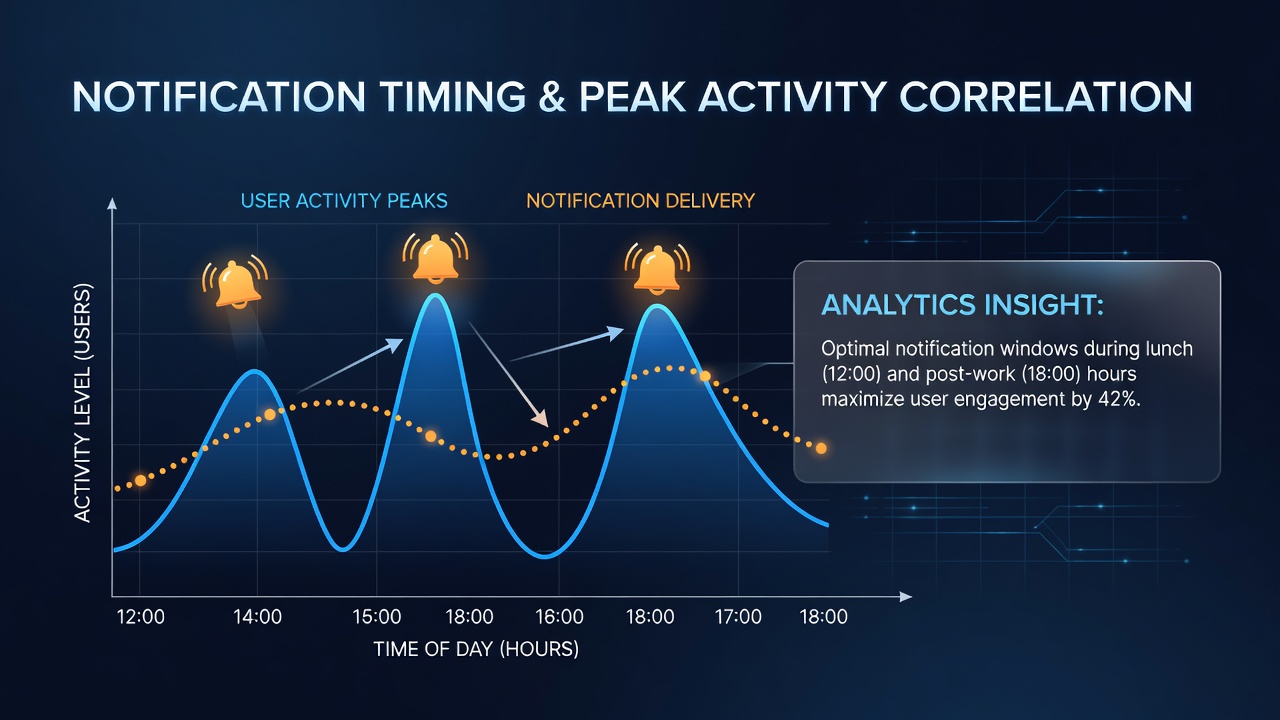
Betting applications send push notifications at intervals that align closely with documented surges in user logins and wager placements, according to aggregated platform analytics from multiple operators. Researchers have tracked these patterns through anonymized session data, revealing that messages delivered between 6 p.m. and 9 p.m. local time consistently precede activity increases of 30 to 45 percent on weekdays, while weekend spikes extend into later evening slots. These timings match the conclusion of typical work schedules and the onset of prime-time sports broadcasts, creating natural windows where users check devices more frequently.
Core Activity Windows Identified in Platform Data
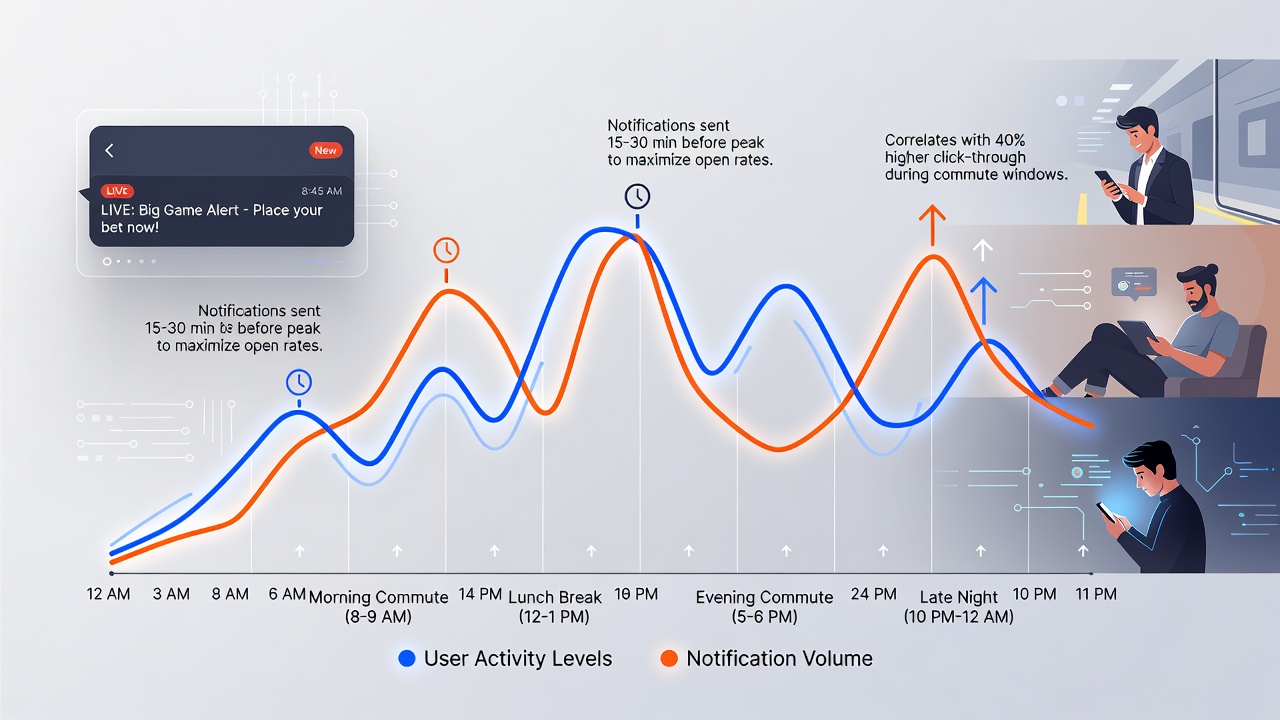
Activity logs from major operators show distinct peaks that recur across regions, with the strongest clusters occurring immediately after standard business hours end adn again around major event start times. Morning notifications between 8 a.m. and 10 a.m. generate smaller but measurable lifts during commute periods, especially on days featuring early European football fixtures. Afternoon sends produce lower response rates overall, although they rise sharply when tied to live in-play markets that begin during lunch breaks in certain time zones. Observers note that the correlation strengthens when notifications reference upcoming matches or odds updates rather than generic promotions, because users respond more readily to content that matches their immediate context.
June 2026 Trends and Event-Driven Spikes
During June 2026, operators recorded elevated engagement following notifications timed 45 to 60 minutes before international tournament matches, with session volumes rising 52 percent above baseline averages on those days. Data compiled across North American and European markets indicated that pre-match alerts outperformed post-match recaps in driving new deposits and bet placements, while same-day reminders sent after 11 p.m. showed diminished returns. These patterns emerged consistently even as overall handle fluctuated with regulatory changes in several states, suggesting that timing precision remains a stronger predictor of activity than content volume alone.
Mechanisms Behind the Observed Correlations
Platform engineers have mapped notification delivery against device usage telemetry, finding that users interact most when messages arrive during periods of higher screen-on time rather than when devices sit idle. Algorithms now adjust send windows based on individual historical patterns, such as delivering football alerts 30 minutes earlier for users in Eastern time zones compared with Pacific users. This personalization reduces notification fatigue while preserving the link to activity peaks, because the system accounts for regional differences in daily routines and sports programming schedules. Studies from research institutions tracking mobile engagement confirm that well-timed prompts increase return visits within the same session, whereas mistimed messages often result in quick dismissals without further platform interaction.
Regional and Regulatory Context
Figures released by the American Gaming Association illustrate similar evening concentration patterns across U.S. states with legalized mobile betting, where the majority of wagers occur between 7 p.m. and midnight on both weekdays and weekends. In contrast, Australian market reports highlight additional midday activity tied to horse racing calendars, prompting operators there to test notification schedules that begin as early as 11 a.m. local time. Canadian provincial data similarly shows weekend afternoon lifts during hockey and basketball seasons, demonstrating that successful timing strategies adapt to local sports cultures rather than applying uniform global schedules. These variations underscore how operators refine delivery logic to match documented user behavior in each jurisdiction.
Technical Implementation and Measurement Approaches
Developers integrate real-time analytics dashboards that compare notification open rates against subsequent bet volumes, allowing rapid adjustment of send times during live events. Machine learning models process historical peaks to predict optimal windows for different user segments, such as high-frequency bettors who respond better to alerts spaced 20 minutes apart versus casual users who prefer single daily prompts. Metrics tracked include time-to-first-login after receipt, average bet count per session, and retention over subsequent days, all of which demonstrate stronger outcomes when timing aligns with established activity clusters. Industry reports from groups like the Ontario Problem Gambling Research Centre further examine how these patterns intersect with responsible gaming tools, noting that operators increasingly embed session reminders within the same notification frameworks.
Conclusion
Platform data across multiple markets establishes a clear relationship between notification delivery windows and subsequent user activity levels, with the strongest effects appearing during evening hours and around major sporting events. Operators continue to refine these systems through ongoing analysis of session logs and regional sports calendars, producing measurable lifts in engagement when timing matches documented user routines. As betting applications evolve, the focus on precise delivery windows remains central to sustaining activity patterns without increasing overall message volume.