Patterns in Behavioral Clustering Across Multi-Platform Wagering Portals: How Cross-Device Syncing Shapes Session Durations in Regulated Markets
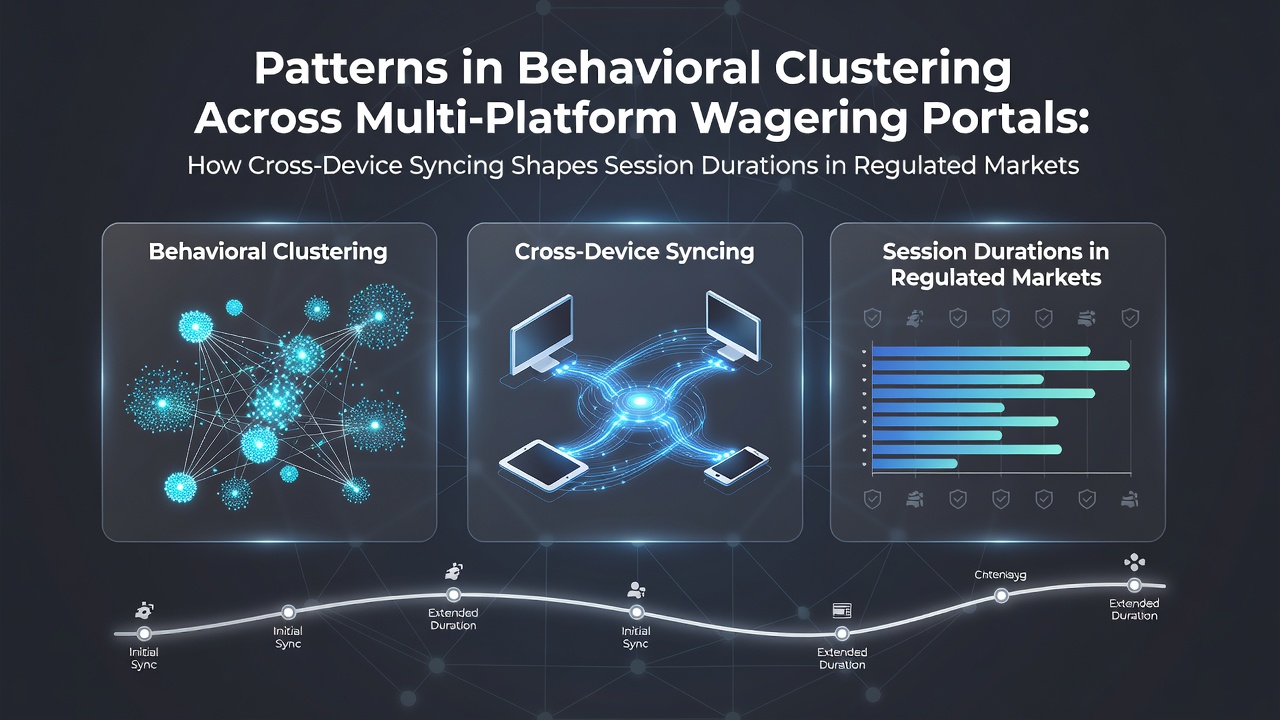
Analysts tracking user activity on regulated wagering platforms have documented clear patterns of behavioral clustering where bettors move seamlessly between mobile apps, desktop sites, and tablet interfaces while maintaining continuous sessions, and data collected through 2026 shows that cross-device syncing extends average session lengths by integrating real-time account states across devices.
Defining Behavioral Clusters in Multi-Platform Environments
Behavioral clusters emerge when users exhibit consistent sequences of actions such as checking odds, placing wagers, and reviewing results across several devices within short timeframes, while researchers at institutions studying digital gambling ecosystems note that these clusters often form around specific event types like live sports or casino games where syncing allows uninterrupted progression from one platform to another.
Take the case of one dataset reviewed in early 2026 where clusters appeared in users who started sessions on smartphones during commutes and continued on desktops at home, and the syncing mechanisms preserved login states along with bet histories so that session duration stretched from an average of 22 minutes on single devices to 47 minutes when multiple devices connected without interruption.
Mechanics of Cross-Device Syncing and Session Extension
Cross-device syncing operates through centralized servers that update account information in real time across platforms, which means a bet placed on a mobile app immediately appears on a linked desktop interface, and this continuity reduces the friction that typically ends sessions when users switch devices. Studies from the University of Nevada Las Vegas gaming research center indicate that platforms employing robust syncing protocols record higher retention within individual sessions because users encounter fewer barriers to resuming activity.
Regulated markets in North America and parts of Europe require operators to maintain detailed logs of these synced activities, which provides researchers with granular data on how session durations vary by device combination, and figures from the first half of 2026 reveal that sessions involving at least two devices lasted 35 percent longer on average than single-device sessions in markets such as New Jersey and Ontario.
Observed Patterns Across Regulated Jurisdictions
Data compiled through June 2026 highlights regional differences in how syncing influences behavior, with North American operators reporting clusters tied to major sports events where mobile-to-desktop transitions occur most frequently during halftime periods, whereas European markets show steadier patterns across evening hours when users shift from work devices to personal tablets. One industry report linked to the Canadian Gaming Association documented that syncing features introduced in late 2025 correlated with a measurable rise in multi-device sessions across provincial operators.
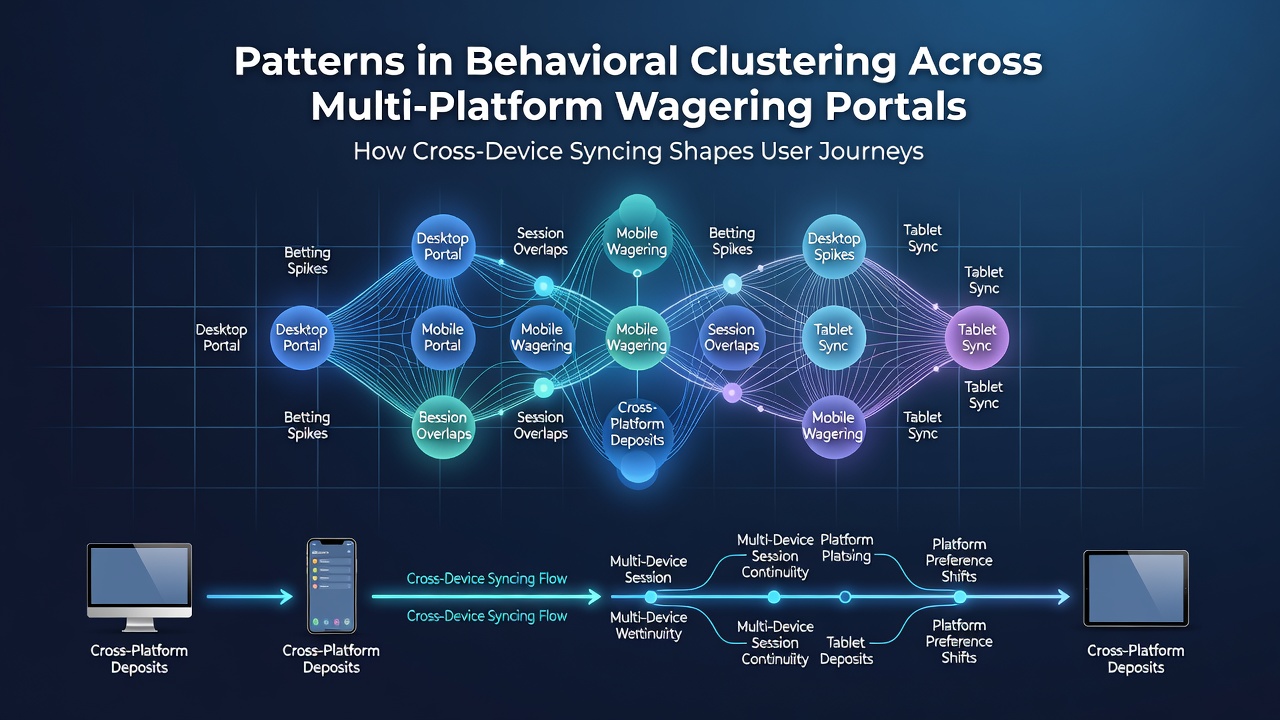
Clusters also form around loyalty program interactions where synced progress bars and reward notifications appear consistently across devices, which encourages users to extend sessions in pursuit of tiered benefits, and analysts tracking these patterns note that the effect appears strongest in markets with strict responsible gambling tools that still permit seamless account access.
Factors Shaping Duration in Regulated Settings
Regulatory frameworks influence how syncing affects durations because operators must comply with session time limits and reality check prompts that activate uniformly across synced devices, which sometimes interrupts clusters yet still allows quick resumption once the prompt clears. Evidence from regulatory filings shows that platforms balancing compliance requirements with fluid syncing maintain longer overall engagement compared to those with fragmented device experiences.
Payment processing and verification steps also factor into these patterns since synced accounts carry verified payment methods that eliminate repeated entry tasks when switching devices, and observers have recorded that users in regulated environments complete more transactions per session when syncing handles the continuity.
Conclusion
Patterns in behavioral clustering across multi-platform wagering portals continue to evolve as syncing technology matures, and the data gathered through mid-2026 demonstrates consistent links between cross-device functionality and extended session durations in regulated markets where compliance standards shape implementation. Further tracking of these clusters will provide ongoing insight into how users interact with integrated wagering ecosystems.