Tracing Adoption Curves of Cryptocurrency Integration Within Traditional Sportsbook Frameworks

Adoption curves for cryptocurrency within traditional sportsbook frameworks follow patterns similar to those observed in other financial technologies, progressing from limited experimentation by niche operators toward broader operational embedding across regulated markets. Data from industry reports indicates initial uptake began around 2017, when select platforms added bitcoin deposits and withdrawals as experimental features, driven primarily by user demand in unregulated segments.
Those early implementations relied on basic wallet integrations that processed transactions through third-party processors, yet transaction speeds and volatility concerns limited scalability at the time. Observers note that innovators in this phase included smaller European-facing operators who tested bitcoin alongside established fiat rails, while larger frameworks maintained caution due to unclear regulatory signals.
Early Majority Emergence in Regulated Jurisdictions
By 2021 several frameworks in Malta and Gibraltar had incorporated stablecoin options such as USDT to address price fluctuation issues, allowing operators to offer crypto alongside traditional payment methods without full ledger replacement. Figures from the Malta Gaming Authority reveal that licensed entities reporting crypto transaction volumes grew steadily through 2023, reaching approximately 12 percent of total handle in select verticals by early 2025.
What's interesting is how these integrations often occurred in phases, beginning with deposit support before extending to in-play settlement mechanisms that required faster confirmation protocols. Researchers tracking these developments point to blockchain analytics tools as key enablers that helped compliance teams monitor flows while maintaining audit trails demanded by oversight bodies.
Technological and Operational Shifts by Mid-2026
In May 2026 multiple platforms reported expanded support for layer-two solutions that reduced confirmation times to under ten seconds, making real-time betting adjustments feasible within crypto rails. This development coincided with updates in several North American and Australian regulatory environments where frameworks began accepting blockchain-based reporting for transaction monitoring.
One study from the University of Nevada Reno examined how sportsbook operators adapted existing risk engines to accommodate crypto volatility hedging instruments, noting that integration costs dropped by roughly 35 percent between 2023 and 2025 once standardized APIs became available. Those adaptations allowed traditional frameworks to maintain margin structures while offering users options previously available only through offshore sites.
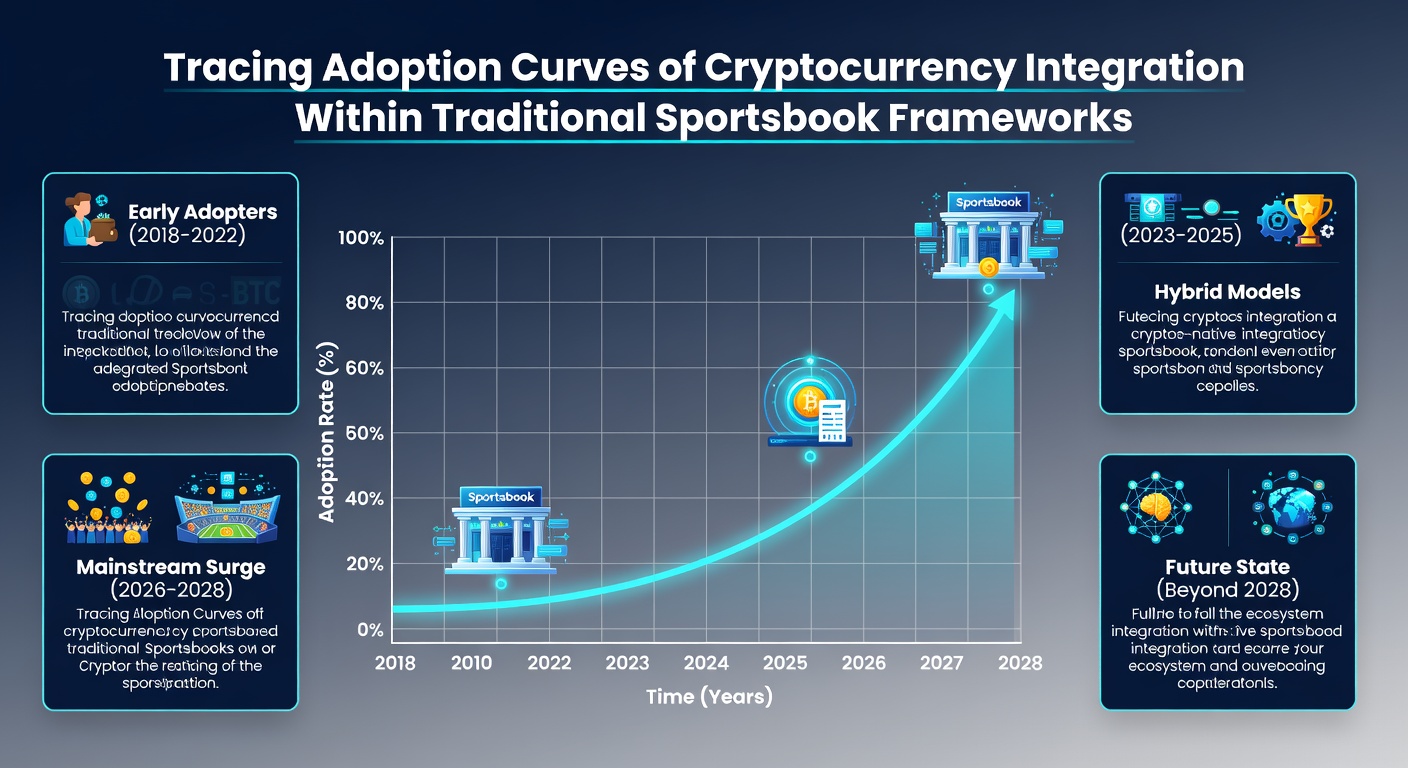
But here's the thing: adoption rates vary sharply by region, with Caribbean and certain Latin American markets showing faster transitions to full crypto settlement compared with stricter North American state frameworks that still require hybrid fiat-crypto models. According to data compiled by the American Gaming Association, crypto-related wagering represented under 8 percent of total U.S. sports betting handle during the first quarter of 2026, though the figure climbed in states that updated licensing rules to accommodate digital asset custodians.
Regulatory Responses and Compliance Frameworks
Regulatory bodies have responded with evolving guidelines that emphasize know-your-customer protocols adapted for wallet address verification and transaction tracing requirements. The Malta Gaming Authority published updated technical standards in late 2025 that require operators to integrate on-chain analytics services capable of flagging high-risk addresses before funds reach betting accounts.
These standards reflect broader patterns where regulators balance innovation with consumer protection measures, leading many traditional frameworks to partner with established custodians rather than maintain independent crypto holdings. Evidence suggests such partnerships accelerated integration timelines by providing ready-made compliance layers that smaller operators could adopt without building internal expertise.
Current Patterns and Future Trajectory Indicators
By May 2026 adoption curves appear to have entered the early majority phase in several mature markets, characterized by standardized settlement options across major leagues and teh appearance of crypto-specific promotions within established apps. Observers tracking payment method preferences note that users who began with bitcoin deposits often expanded usage to include altcoins once volatility hedging tools became standard features.
Those who've studied similar technology rollouts in financial services indicate that the remaining barriers center less on technical feasibility and more on cross-border settlement rules that continue to differ between jurisdictions. Data from multiple oversight agencies shows continued growth in reported crypto volumes, yet full replacement of legacy systems remains gradual because existing fiat infrastructure still handles the majority of high-volume transactions efficiently.
Conclusion
Tracing these adoption curves reveals a measured progression shaped by regulatory clarity, technological maturation, and operator risk tolerance. Frameworks that moved early gained operational experience that later entrants now leverage through vendor solutions and standardized protocols. Continued monitoring of transaction volumes and compliance metrics will determine whether cryptocurrency settles into a permanent, parallel rail within traditional sportsbook operations or remains a supplementary option for specific user segments.